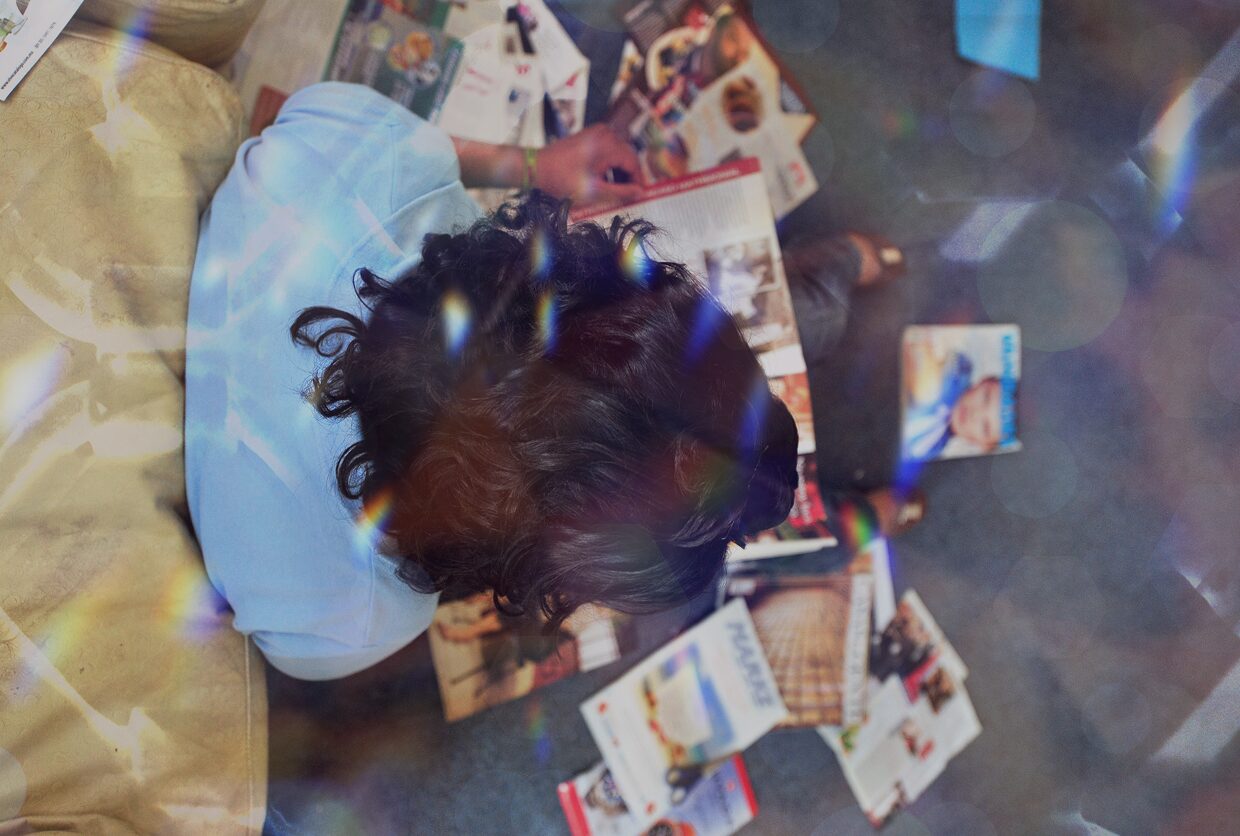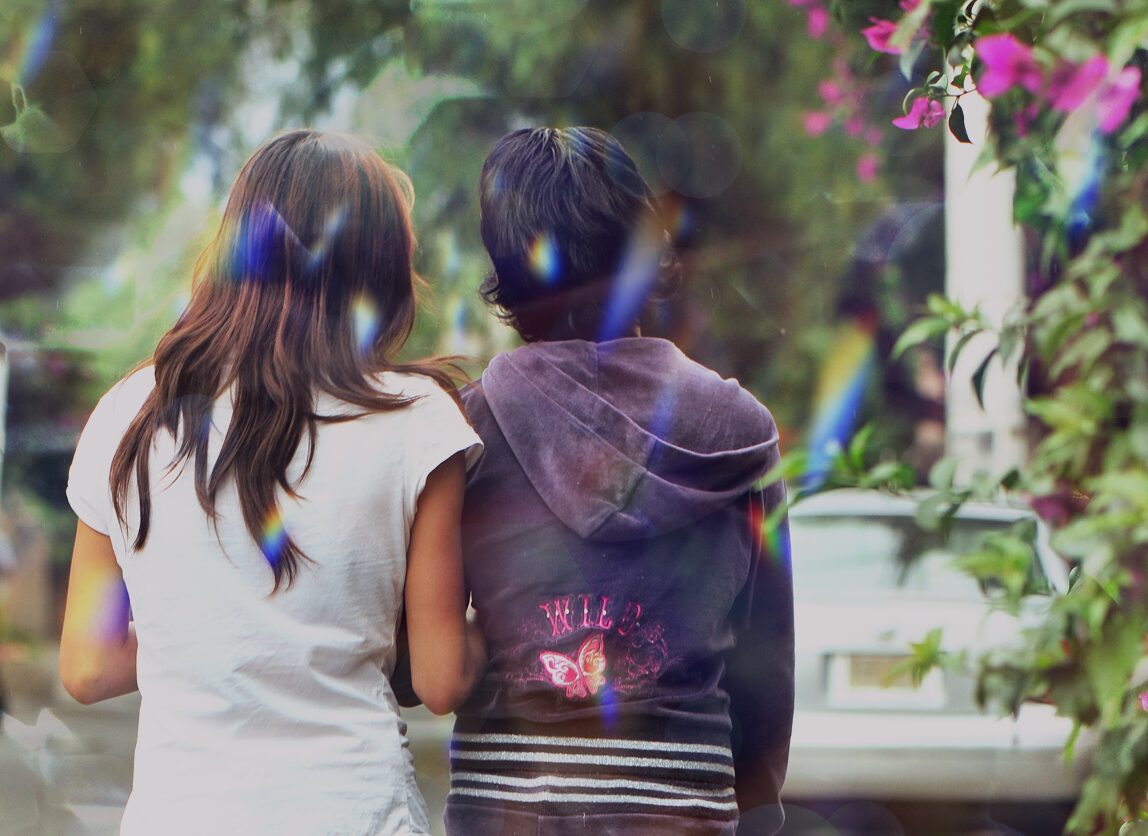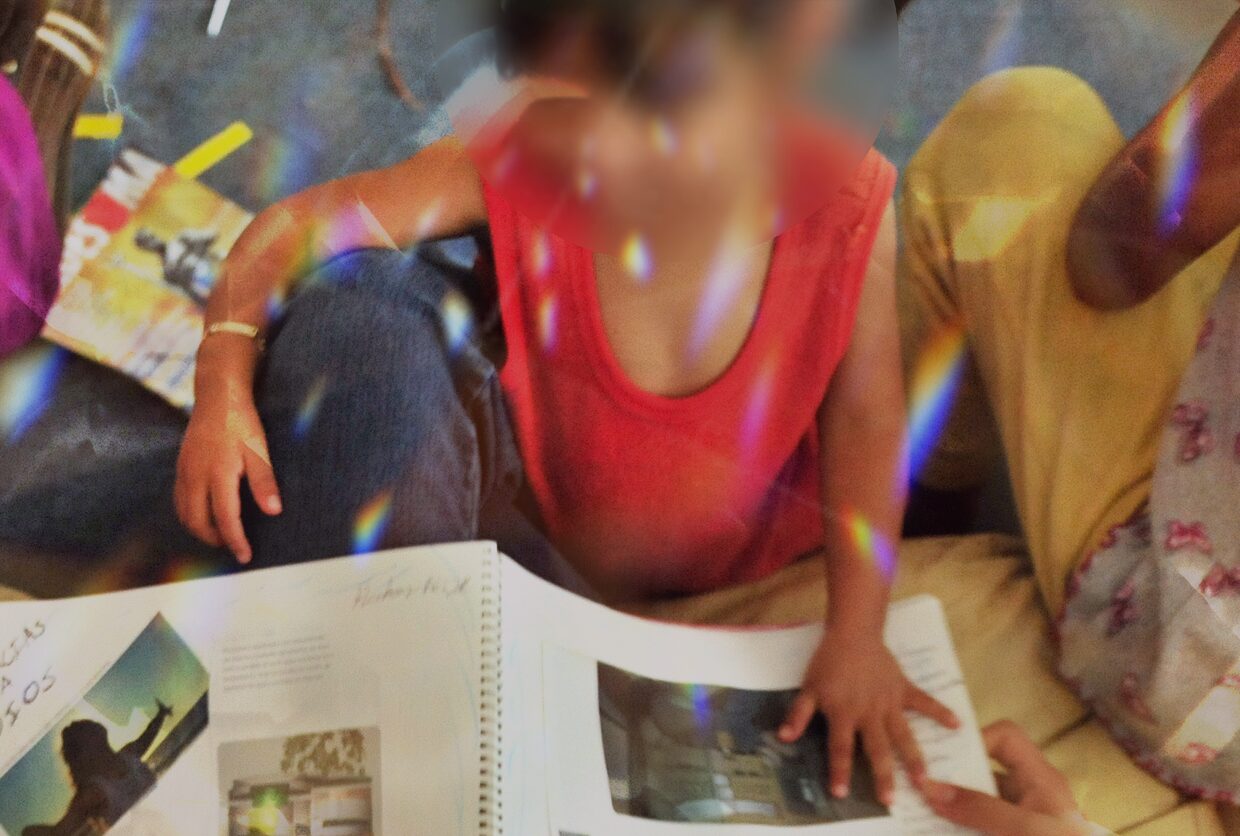
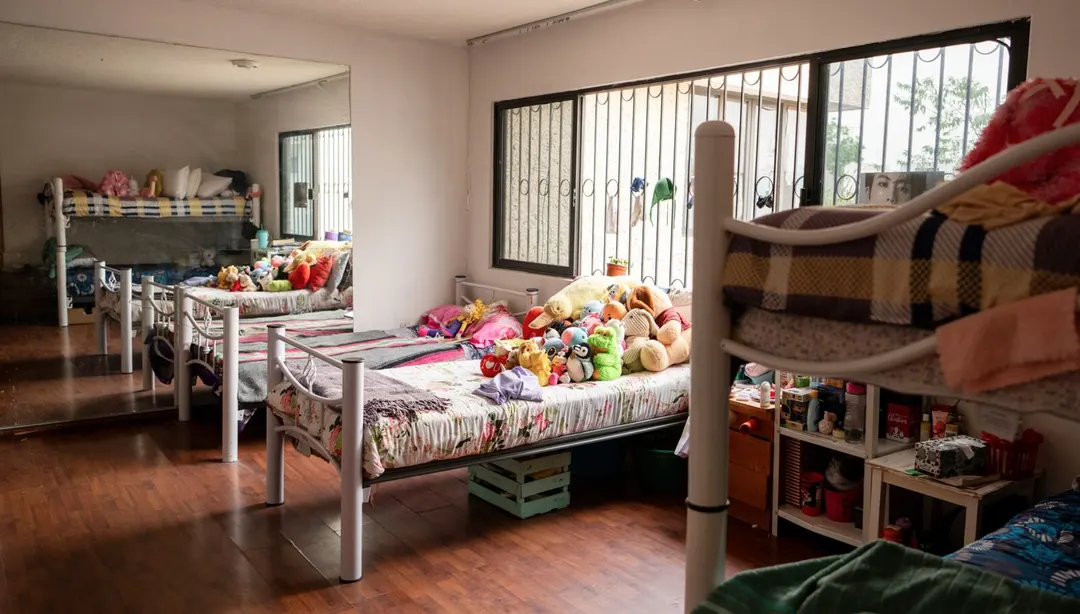
Construction of Specialized Shelters
Developing secure facilities with rehabilitation programs tailored to survivors' needs.
Donate Now. Restore Hope →Freedom is only the start
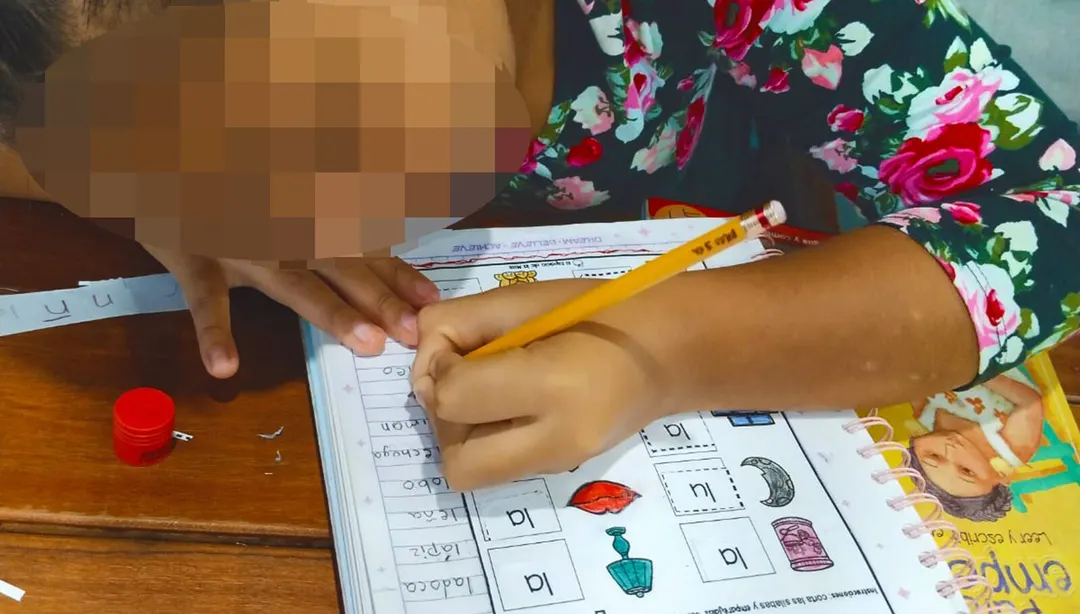
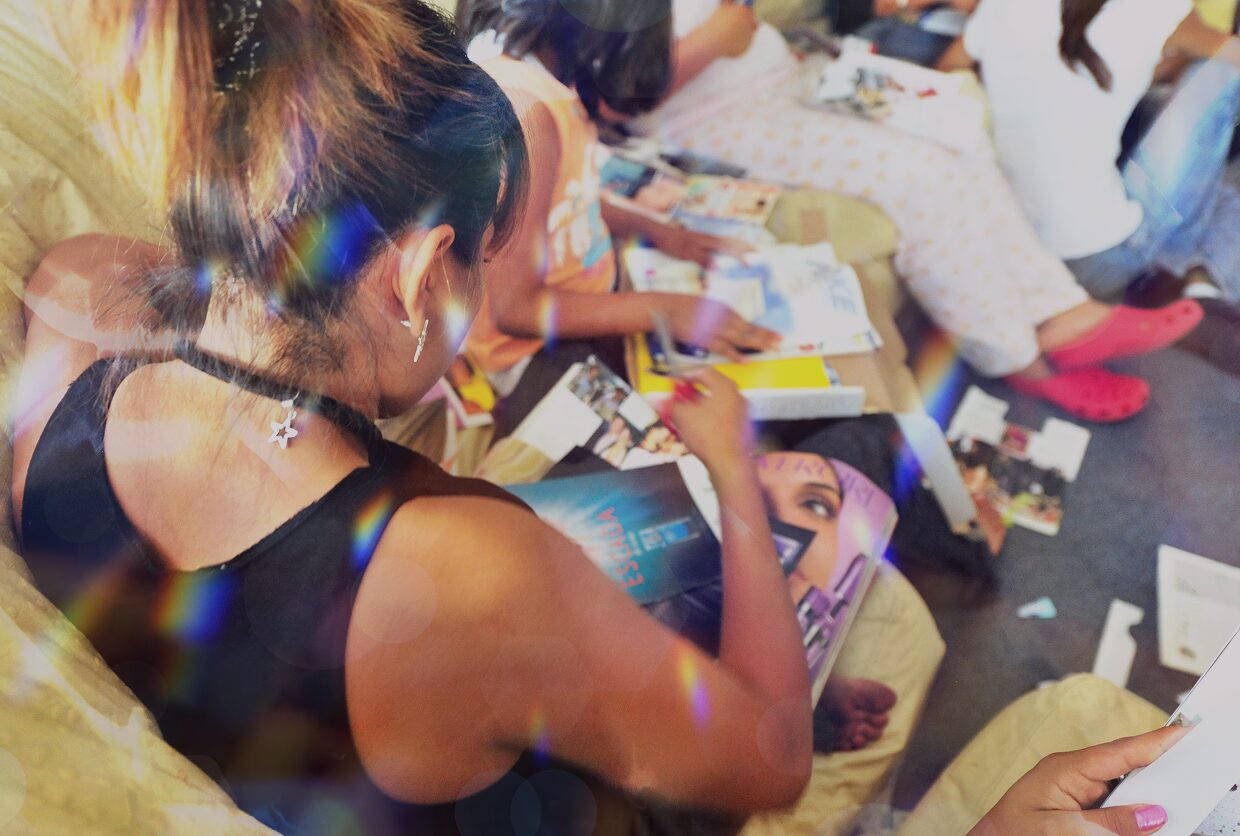
Your support helps survivors begin healing by providing safe housing, medical care, counseling, and education to rebuild their lives.
Together, we can continue to turn brokenness into beauty.
Identify the problem
people are trapped in modern slavery worldwide
of victims are ever identified and reached
of detected trafficking victims are children
Give hope today
Choose an amount and give securely through Stripe. Every dollar sustains safe housing, medical care, counseling, and education for a rescued child.
Secure donation via Stripe · 100% goes to survivor care
Where your funding goes
Every gift is directed toward the concrete, day-to-day work of restoration.
Help us end their nightmare
With your help and God’s grace, a rescued child finds hope, healing, and a chance to dream again in a Christian shelter.
Give Hope TodaySuccess stories
Our events
Upcoming events
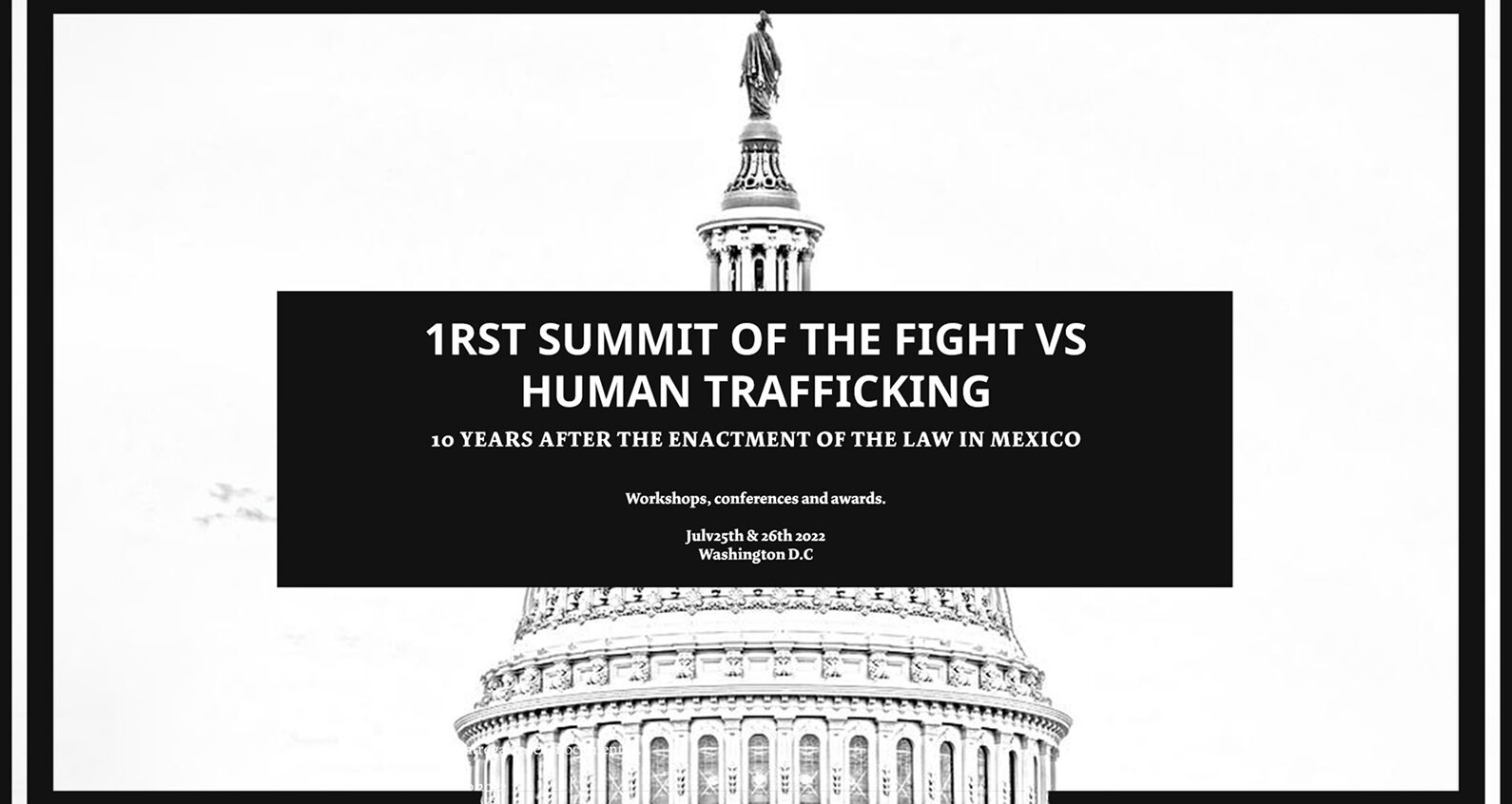
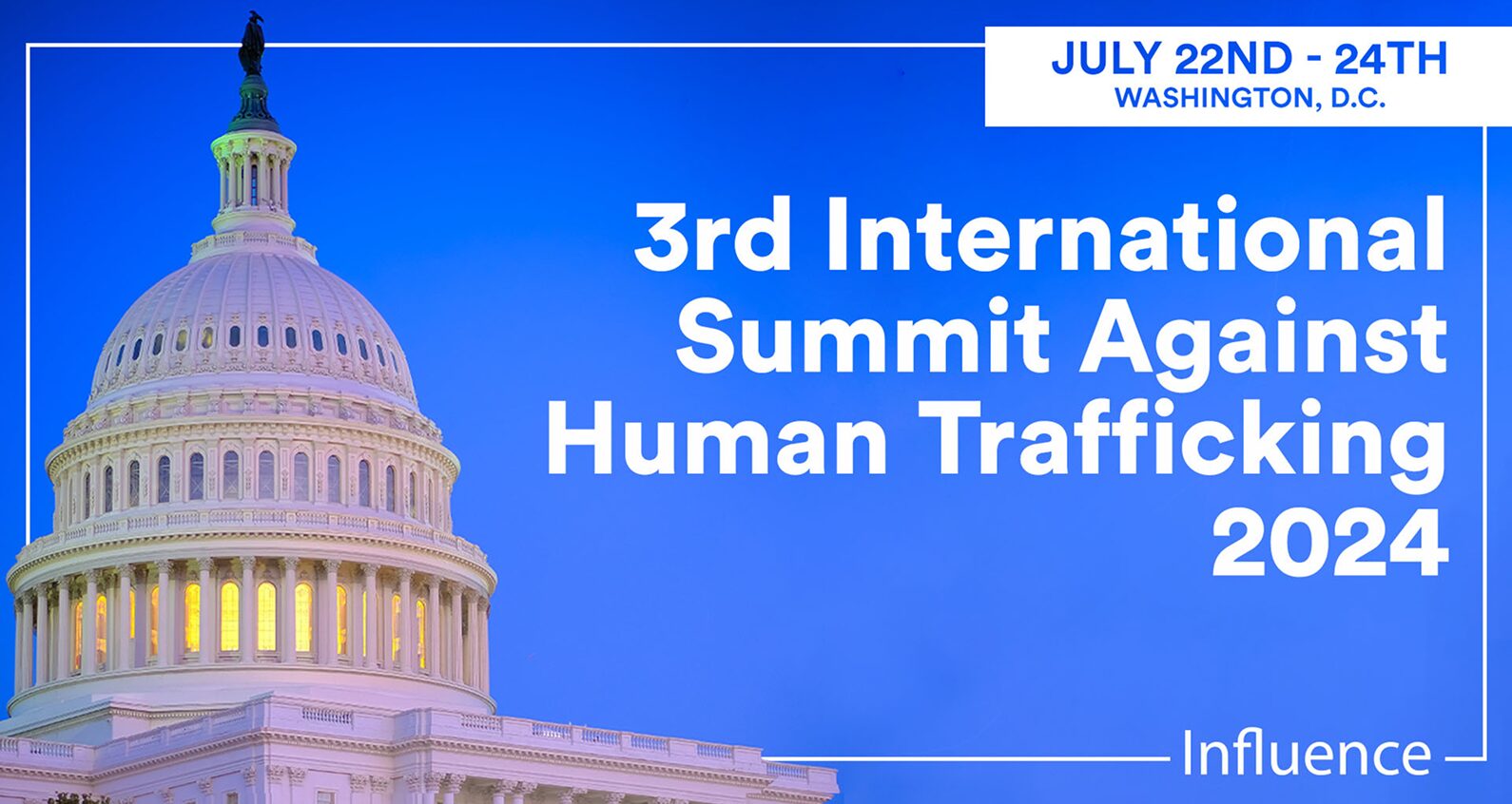
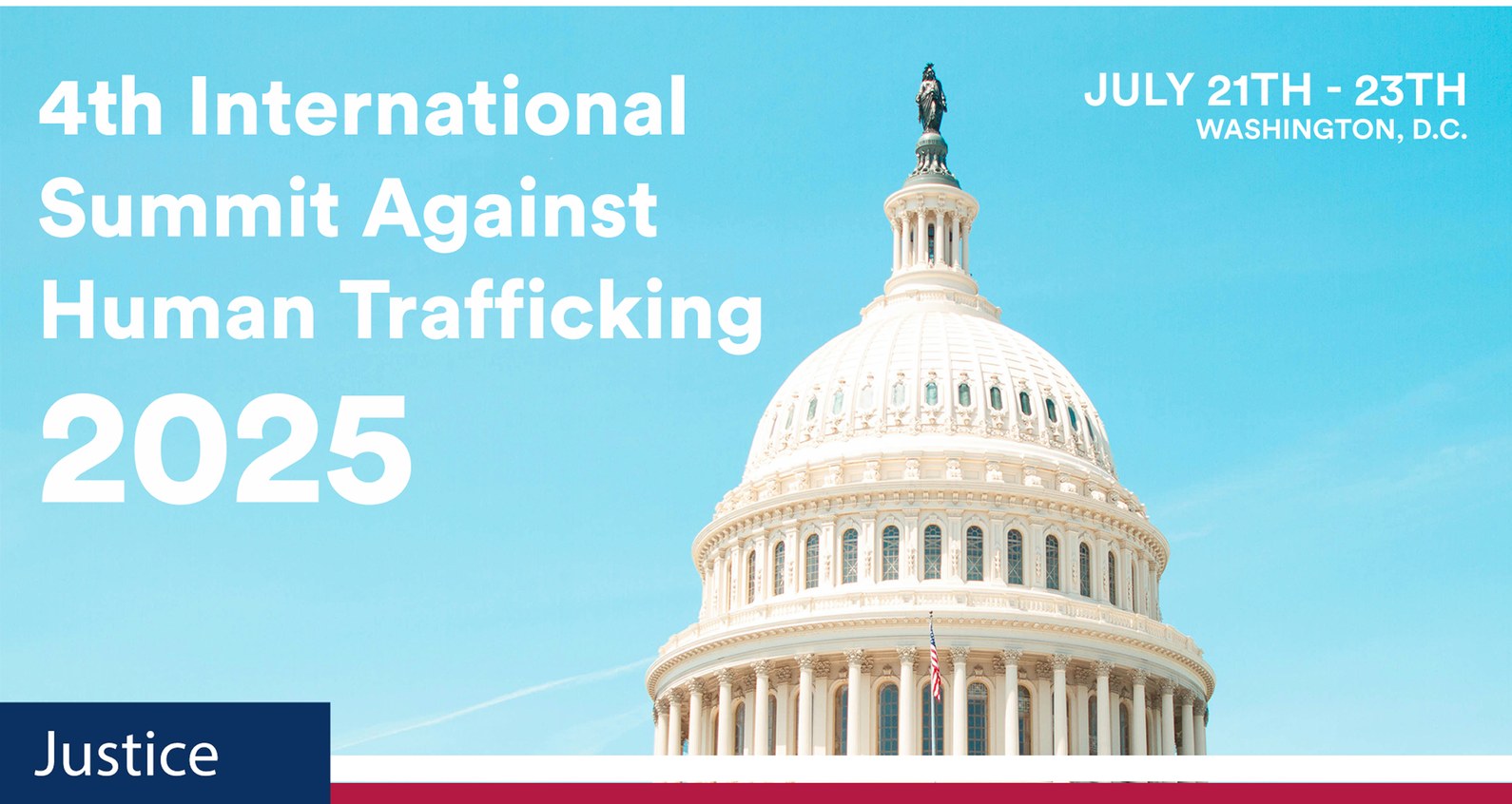
Save the date: July 20–23, 2027 in Washington, D.C. Collaborate with global leaders and drive solutions against exploitation. Be part of the movement for change.
Register NowOur global impact
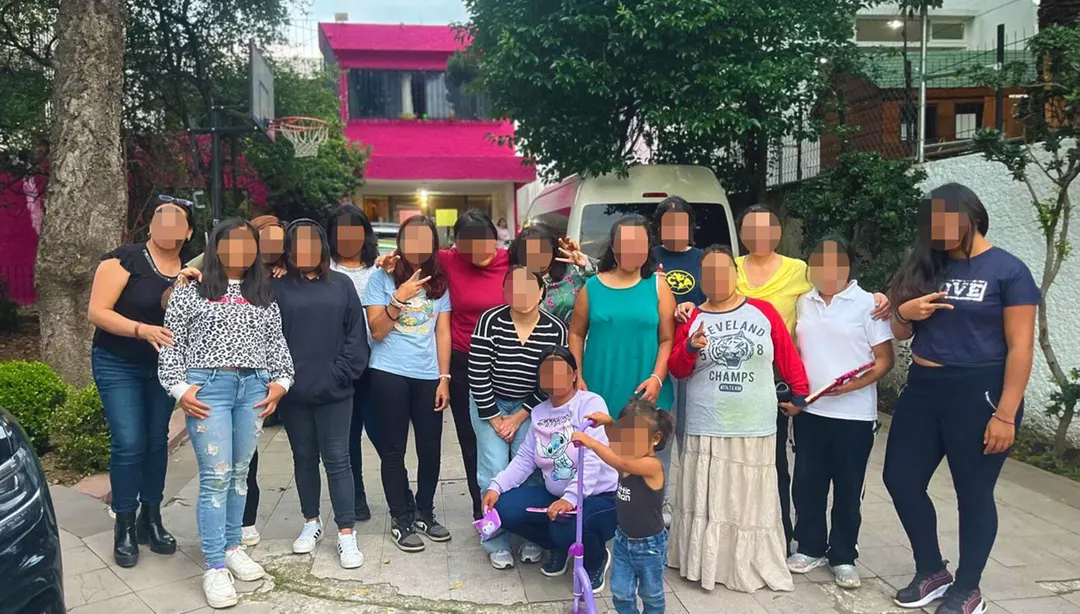
Since 2007, our partners in Mexico City have empowered over 300 trafficking survivors, focusing on minors under 18. These brave individuals have become entrepreneurs, caregivers, and advocates. Your contributions sustain essential programs like:
Powerful progress
It Started with a Need. In Quintana Roo, Mexico—a region known for its tourism and beauty—there was a hidden crisis. Behind the beaches and luxury resorts, human trafficking was destroying lives. Survivors who had escaped had nowhere to go, no safe place to heal, and no path forward.
Read more →Since then, survivors have walked through its doors—some scared, some hopeless, some unsure if healing was even possible.
Read more →02At Kaleido, we believe in the power of transformation. Just like a kaleidoscope turns broken pieces into something beautiful…
Read more →03We didn't have the funds. But we had faith. Through generous donors, churches, and supporters like you.
Read more →04Season Williams generously provided the foundation by purchasing the property, and Fundación Camino a Casa, with 19 years of dedicated survivor care.
Read more →Blog
Contact
Kaleido Incorporated
7901 4th St N, Ste 300 · St. Petersburg, FL 33702